Wednesday, January 15, 2014

LOVE US OR ELSE: Law Society of Scotland statement on BBC documentary "Lawyers Behaving Badly"

Law Society tells beeb how great it is before complaints secrets hit screen. IN response to the forthcoming BBC Scotland investigation – Lawyers Behaving Badly, the Law Society of Scotland has mounted a press offensive to portray the Scots legal sector as a collection of fluffy cuddly animals who are integral to the survival of mankind, society and the universe as we know it.

Solicitors as we all know (haha – Ed) play a crucial role in our society and our economy, helping thousands of people and businesses with the widest spectrum of legal issues. The evidence shows that the public have confidence in Scottish solicitors. In a major poll of Scottish public opinion by Ipsos MORI, 87% of people who had used a solicitor said they were happy with the service received. Over three quarters said they had trust in the profession as a whole recognising that they work hard to help people deal with difficult situations. We do not take this position for granted.

We recognise the interest which BBC Scotland has shown in the whole system of regulation and appreciate its focus in ensuring strong systems are in place to protect clients in the relatively few occasions when things go wrong.

That is why we sought to be as helpful as possible to the production team over the last three months as they prepared their documentary. We provided a host of background information and ensured the non-solicitor convener of our regulatory committee, Carole Ford was available for an interview which lasted well over one hour.

Individual cases and recent reforms

In highlighting some of the most difficult and complicated cases, we do not believe the BBC gave sufficient weight to the major reforms to legal regulation in Scotland over recent years. Indeed the specific cases raised by the BBC all predated these reforms.

Since the system was overhauled in 2008, we have a clear system of co-regulation in Scotland, with different organisations undertaking different roles. You now have an independent and separate Scottish Legal Complaints Commission (SLCC) which receives complaints from the public and decides which should be admitted for investigation. We are surprised the BBC decided not to carry any interview with the SLCC as part of its documentary, given the critical role it now plays in the regulation system.

There is also a separate and independent discipline tribunal, involving solicitors and non-solicitors, to decide in serious cases of wrongdoing. The Law Society is responsible for setting standards, providing training and support and setting clear and robust tests for those wishing to enter the profession. We also proactively inspect firms, investigate conduct complaints passed to us by the SLCC and intervene in firms when there is a critical need to do so.

There is also clear oversight and control of our own regulatory work as well as redress for consumers whenever they think we get it wrong. Within the Law Society, every single regulatory sub-committee is made up of solicitors and non-solicitors from outwith the legal profession altogether in order to ensure the public interest features in each and every decision.

The SLCC has oversight powers for our own complaints handling and our guarantee fund and people can make a handling complaint to the SLCC if they are unhappy with how we have dealt with their case. People can also take an appeal directly to the independent discipline tribunal and ultimately take action against us to the Court of Session

Legal aid

Part of the broadcast focused on the issue of the criminal and civil legal aid registers. The BBC has raised concerns over a number of solicitors who have had findings of professional misconduct against them and are on the legal aid register.

In each of the cases mentioned, the Society did act properly, investigating the complaints thoroughly and taking action to the independent Scottish Solicitors' Discipline Tribunal. It is only because of the actions of the Society and our evidence gathering that the findings of misconduct were made against the solicitors involved. However, it is always a matter for the independent tribunal to decide what action is taken against a solicitor found guilty of misconduct, whether that be a fine, censure, restriction, suspension or strike off. In these cases, the tribunal chose not to strike off the solicitor concerned.

It is the Scottish Legal Aid Board and not the Law Society of Scotland which maintains the legal aid registers. Whilst the Board has the ability to remove a solicitor from the register, the Society has no such power other than through the civil legal aid quality assurance scheme where a poor service has been provided by the firm directly to clients.

In cases involving the abuse of legal aid money, we are dependent on the Board in making a conduct complaint through the Scottish Legal Complaints Commission for us to investigate and, where necessary, take to the discipline tribunal.

Regulation in England and Wales

We think it would be wrong to look at the system of regulation in England and Wales as a model to follow here in Scotland. There is much evidence to suggest the system there is more complicated, bureaucratic and expensive. The chair of the Legal Services Board in England and Wales even described that system as "over engineered and exceptionally complex".

The Scottish Government looked at that model when it reviewed the whole regulatory system in 2009 and ultimately rejected it. Indeed, so many concerns have been raised that the UK Ministry of Justice ran a public consultation on how the system in England and Wales could be simplified. We were surprised that the BBC made no mention of these concerns or the recent calls for reform.

The Scottish regulatory system

The regulation of solicitors in Scotland is similar to that in Ireland, north and south, and in many states and provinces in the USA and Canada. Other professions in Scotland, including accountants with ICAS, chartered surveyors and RICS and teachers and the General Teaching Council, operate to a similar system of regulation.

That is not to say the current system here in Scotland is perfect. It isn't and we have been working with government, consumer groups and the SLCC to review a series of possible reforms which we believe could help make the system of regulation even stronger. That should not detract though from the core of the system which is built around the public interest and protecting clients.

The Law Society of Scotland has been in involved the regulation of solicitors and has worked in the public interest for almost 65 years. We take our responsibilities extremely seriously and will continue to work hard to maintain the highest possible standards of professionalism from Scottish solicitors and ensure they remain the respected and trusted advisors of choice.

If you are solicitor with any further questions on these matters, please contact the regulation team on 0131 476 8131.If you are a member of the press or public, please contact the Law Society's communications team on 0131 226 8884 or 0131 476 8115.

To learn more about the work of the Society, please visit the A to Z of what we do section of our website or follow us on Twitter (with all the other twits – Ed)

Thursday, November 21, 2013

Scotland's top judge Lord Gill warns Holyrood Justice Committee against scrapping corroboration of evidence justice safeguard

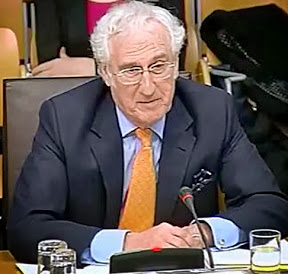
Lord President Brian Gill – ‘good rule’ of corroboration should be retained. SCOTLAND’S top judge the Lord President, Lord Brian Gill, appeared before Holyrood’s Justice Committee yesterday, warning against supporting plans by the Scottish Government to remove the long held safeguard of Corroboration, where evidence in a court of law is needed from two separate sources for a conviction.

Speaking to MSPs on the Scottish Parliament's Justice Committee, 20 November 2013, Lord Gill, the Lord President of the Court of Session, said the rule - which requires that evidence against an accused person must come from more than one source - was one of the "finest features" of the country's justice system.

He told MSPs that only one judge in Scotland, the Lord Justice Clerk Lord Carloway - who recommended abolishing corroboration in his review of criminal law and practice - supported getting rid of the rule, with all other judges opposed to the move.

Lord Gill told MSPs corroboration justice safeguard should be retained (Click to watch)

Giving evidence to msps on the intentions of the Scottish Government to remove corroboration to help the Crown Office secure higher prosecution statistics, Lord Gill told the committee: "I don't think this will improve the quality of justice in Scotland in any way.

"I think there is a very serious risk there will be fewer convictions and I also think that if you make this change in isolation, without looking at the wider picture, there are consequences that at the moment are unknowable but could be very adverse to the system."

He added that scrapping corroboration "might increase the number of prosecutions" but said he was "certainly not convinced it will increase the number of convictions".

Lord Gill argued getting rid of the requirement would mean defence lawyers would be able to "go to the jury and say 'would you convict my client on the word of one person, with nothing else to support it?'".

He went on: "That could be a a very powerful line to take with juries and if corroboration is abolished I am not persuaded it will increase the conviction rate."

He stressed: "We've got to think very carefully about what the consequences of this could be. It's a major change which has consequences, many of which are unknown at this stage.

"It's not just a piece of law reform in the narrow area of the law of evidence, this affects the whole approach of our society towards justice and it could have consequences which could be very, very serious.

"By and large we do not have many miscarriages of justice in Scotland and when they are discovered we put them right. There are very few. My fear would be there will be many more if corroboration is abolished."

"I think we should be very proud of the fact we have something that other jurisdictions do not have, it is one of the great hallmarks of Scottish criminal law.

"I take the view we are all privileged in Scotland to live in what is a just society, and the reason for that is our criminal system is rooted in the idea of fairness and corroboration is, in my opinion, a critical element in that.

"So, I'm not here to apologise for the fact that we've got corroboration, I think we should be very grateful that we do."

Lord Gill told MSPs this was the "general view of the judiciary", adding: "I asked every judge to express their view individually to me. With the exception of my colleague the Lord Justice Clerk, all the judges were opposed to the abolition of corroboration."

Lord Gill added corroboration was "not some sort of legal relic from antiquity", saying: "We didn't get where we are by accident, the fact that we have this rule in our law, which I regard as one of its finest features, is a result of centuries of legal development and legal thought.

Concluding his testimony, Lord Gill told MSPs : "It has been found to be a good rule and I would say listen to the wisdom of the ages, it has a lot to tell us.”

All of Scotland’s High Court judges have announced their support for the retention of corroboration : Judges respond to public consultation on Carloway Report

On 3 July 2012, the Scottish Government launched a public consultation seeking views on how best to reform areas of Scottish criminal law and practice. This consultation was based on the recommendations set out in Lord Carloway’s Report on criminal procedure which was published in November 2011.

The Judges of the High Court of Justiciary, other than Lord Carloway, have now submitted their response available online here : Response by the Senators of the College of Justice to SG consultation : Reforming Scots Criminal Law & Practice  to proposals in the present consultation paper.  While their response provides support for the majority of the Carloway Review proposals, they unanimously agree that the rule of corroboration should not be abolished.

The full Carloway Review can be read online here: Carloway Review Report & Recommendations 2011 along with the Executive Summary and Lord Carloway's statement

It should be noted Scottish Law Reporter supports the retention of corroboration, and has reported on the issue in previous coverage HERE

Wednesday, November 20, 2013

Selective Evidence : Lord Advocate demands MSPs remove corroboration of evidence justice safeguard to give Crown Office 'a better conviction rate'

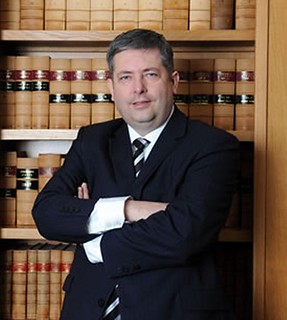
Lord Advocate Frank Mulholland

Desperately seeking prosecutions - Lord Advocate prefers dirty evidence for a result. SCOTLAND’S top law officer, Lord Advocate Frank Mulholland who heads the Crown Office & Procurator Fiscal Service (COPFS) has told MSPs on the Scottish Parliament's Justice Committee that Corroboration, a long held safeguard in Scots law requiring evidence from two separate sources for a conviction should be removed from the justice system to give Prosecutors a better chance of securing convictions, even if the evidence is dodgy and cannot be trusted.

While claim & counter claim rage over the debate about corroboration and whether it should remain or stay in the justice system, it is now generally accepted by all with a clear legal head and understanding of the pros & cons that the Lord Advocate and Crown Office and want corroboration scrapped due to mounting evidence Prosecutors are just not up to the job of catching criminals.

Over the years it has become clear that Scotland’s overfunded Crown Office which soaks up over £100 million each year in taxpayer funds, regularly fails to secure convictions in rape cases because of poor presentation of evidence, poor interviews with victims and poor quality investigations into rape and abuse cases.

Lord Advocate demands removal of corroboration safeguard (Click to watch)

With the Justice Committee scrutinising the Bill, the Lord Advocate Frank Mulholland explained to MSPs he supported abolishing corroboration because it could make it easier to prosecute offences such as domestic abuse, sexual abuse and rape, where often evidence only comes from the victim.

When asked for his view on the proposal, the Lord Advocate said: "I support it and I support it for quite a particular reason. Prosecutors see the effect of the rule of corroboration on certain areas of criminal offending, in particular sexual offending, including rape and domestic abuse."

Mulholland claimed : "I have never said the abolition of corroboration was all about increasing the conviction rate, I see it as access to justice for the victims of domestic abuse, rape and sexual offending. It seems to me that is something any modern criminal justice system should have."

Mr Mulholland said that in 2012-13 there were 2,803 charges of domestic abuse which could not be taken to court because there was insufficient admissible evidence.

He told MSPs: "That I would suggest is a matter of real concern, that we are not giving the possibility of access to justice for a sizeable proportion of victims in those charges."

He also said that over the last two years about 13% of rape cases - approximately 170 - reported to the Crown could not be proceeded with because of the requirement for corroboration, although there are claims & counter claims over how the Crown Office have manipulated the figures & statistics on these cases to use in their fight to remove what are long held legal safeguards against miscarriages of justice.

Citing an example of an abuse case which COPFS failed to prosecute, Mulholland told the Justice Committee : "I had a case where two sisters had been horrifically sexually-abused as children over a period of many years by a relative, a member of the family. The girls were told no-one would believe them if they spoke up, that no-one would love them if they spoke up. So, they didn't speak up. But eventually as adults they got the courage to speak up and make a complaint to the police.”

Mulholland continued : "We took the case up, we indicted the case in the High Court and we were prepared to proceed to trial. But one of the complainers, one of the victims, mentally could not go ahead with it.We tried to support that victim through the process, give her as much support as was necessary. But at the end of the day we couldn't force that woman to give evidence. The effect of that meant the whole case fell. That, to me, is something this Parliament, the committee, the public at large, should be concerned about."

However, critics of the Lord Advocate rounded on his claims the Crown Office supported victims of abuse, pointing to other abuse cases Prosecutors are alleged to have failed to act on, such as in the case of Hollie Greig, a downs syndrome victim who reported incidents of abuse to authorities and received compensation payments on account of evidence presented, yet strangely no one was prosecuted for the abuse.

In the case of Hollie Greig, which involved allegations against Scotland’s former Lord Advocate now Dame Elish Angiolini DBE QC (born McPhilomy), Prosecutors decided to jail the journalist and campaigner Robert Green for handing out leaflets questioning the Crown Office decision not to go ahead with a prosecution of persons accused of child abuse.

Countering arguments put forward by the legal profession for the retention of corroboration, Mr Mulholland said: "I respect people in the legal profession, their views, I respect judges' views. Everyone involved in the criminal justice system has an opinion on this. But they are not seeing the cases which cannot be taken up because of the requirement for corroboration. It's police and prosecutors that are seeing this."

Justice Secretary Kenny MacAskill has pledged to press ahead with the proposal to abolish corroboration, which is included in the Government's Criminal Justice (Scotland) Bill. In an attempt to cover up for persistent failures of Prosecutors and the Crown Office to engather evidence of crime and prosecute cases in a competent manner, MacAskill said last month the requirement to have evidence from two separate sources resulted in "the inability to prosecute offences and the denial of justice for too many".

While most of the legal profession and the judiciary are opposed to the removal of corroboration, Justice Secretary MacAskill insisted: "Laws are made by parliament, not one profession. This is about justice in our communities, not a debate between learned legal friends."

Speaking for Justice Secretary Kenny MacAskill, a Scottish Government spokeswoman said: "We remain committed to abolishing the requirement for corroboration, as recommended by the Lord Justice Clerk, Lord Carloway, in his wide-ranging review of Scots law and practice.

"Our proposals are supported by the Crown Office, Police Scotland and a range of victims' organisations including Victim Support Scotland, Scottish Womens' Aid and Rape Crisis Scotland, and are designed to make our justice system fit for the 21st century.

"As the Lord Advocate said at the Justice Committee today, abolishing the requirement for corroboration is about ensuring access to justice for victims. He gave compelling and real-life experiences of the negative impact the rule of corroboration currently has on victims. This is a barrier to justice that does not exist in any other jurisdiction in the western world.

"There is no evidence that other legal systems have an issue with miscarriages of justice due to the absence of this rule. The high standard in criminal cases of proof beyond reasonable doubt will remain."

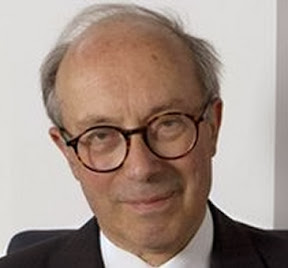
Lord Hope – removal of corroboration is potentially dangerous LORD HOPE, who previously served as Lord Justice General of Scotland and Lord President of the Court of Session, and until June was deputy president of the UK Supreme Court has criticised plans by the Scottish Government to remove the long held safeguard of corroboration in criminal trials, where evidence is needed from two separate sources for a conviction.

In an interview for Holyrood Magazine, Lord Hope described the proposal contained in the Criminal Justice (Scotland) Bill, to abolish corroboration, as “potentially dangerous”.

The drive to remove corroboration primarily comes from the Crown Office & Procurator Fiscal Service (COPFS) who are hungry for increasing their statistics of successful prosecutions, whether the accused is actually guilty of a crime or not.

Speaking further to Holyrood Magazine, Lord Hope went on say : "I just express concern that the proposal seems very far-reaching and, potentially, quite dangerous if you have a situation where somebody is at risk of being convicted on his own confession which I would have thought was absolutely fundamentally wrong in Scots law.

"It may be that the number of cases that go to trial now on confessions are comparatively few, but we developed our law of corroboration initially as a barrier against people being taken to court on a confession which had been extracted by torture.

"This is in the early 18th century when things were very, very different, and people reacted against this, and I'd be very sad to see that kind of protection go."

It should be noted Scottish Law Reporter supports the retention of corroboration, and has reported on the issue in previous coverage HERE

Tuesday, November 05, 2013

What now for Crown Office plan to skew justice in prosecutors favour, as senior judge Lord Hope brands removal of corroboration “potentially dangerous”

Lord Hope – removal of corroboration is potentially dangerous LORD HOPE, who previously served as Lord Justice General of Scotland and Lord President of the Court of Session, and until June was deputy president of the UK Supreme Court has criticised plans by the Scottish Government to remove the long held safeguard of corroboration in criminal trials, where evidence is needed from two separate sources for a conviction.

In an interview for Holyrood Magazine, Lord Hope described the proposal contained in the Criminal Justice (Scotland) Bill, to abolish corroboration, as “potentially dangerous”.

The drive to remove corroboration primarily comes from the Crown Office & Procurator Fiscal Service (COPFS) who are hungry for increasing their statistics of successful prosecutions, whether the accused is actually guilty of a crime or not.

Speaking further to Holyrood Magazine, Lord Hope went on say : "I just express concern that the proposal seems very far-reaching and, potentially, quite dangerous if you have a situation where somebody is at risk of being convicted on his own confession which I would have thought was absolutely fundamentally wrong in Scots law.

"It may be that the number of cases that go to trial now on confessions are comparatively few, but we developed our law of corroboration initially as a barrier against people being taken to court on a confession which had been extracted by torture.

"This is in the early 18th century when things were very, very different, and people reacted against this, and I'd be very sad to see that kind of protection go."

The Crown Office led campaign to remove corroboration was eagerly joined in its infancy by Justice Secretary MacAskill, who was apparently persuaded by senior COPFS officials that the change would give the Scottish Government glowing conviction rates to announce and help bolster the SNP’s record on justice issues.

MacAskill then commissioned Lord Carloway, the current Lord Justice Clerk to write a report agreeing with the removal of corroboration. This report, is known as the Carloway Review Report & Recommendations 2011

Meanwhile, the changes to corroboration have been opposed by just about anyone with a clear legal head, many solicitors, advocates, QCs and many in the judiciary who signed their own joint response against the Carloway proposals in an earlier announcement made by the Judiciary of Scotland,here :

Judges respond to public consultation on Carloway Report

On 3 July 2012, the Scottish Government launched a public consultation seeking views on how best to reform areas of Scottish criminal law and practice. This consultation was based on the recommendations set out in Lord Carloway’s Report on criminal procedure which was published in November 2011.

The Judges of the High Court of Justiciary, other than Lord Carloway, have now submitted their response available online here : Response by the Senators of the College of Justice to SG consultation : Reforming Scots Criminal Law & Practice  to proposals in the present consultation paper.  While their response provides support for the majority of the Carloway Review proposals, they unanimously agree that the rule of corroboration should not be abolished.

Speaking to Scottish Law Reporter earlier today, one senior solicitor castigated the planned law changes, saying : “MacAskill’s plan to remove corroboration is a cave-in to assist the Lord Advocate and various ‘usual suspect’ pressure groups along with Police Scotland, all of whom have an interest in skewing prosecutions in their favour regardless of the evidence.”

Criticising the current debate on the law change, he continued : “The public debate on corroboration has itself been skewed by campaign groups who attack, even personally harass anyone or any profession criticising their motives.”

“What is now needed is that the Justice Committee of the Scottish Parliament realise the vested interests of those involved in this appalling law change, and throw it out in the interests of justice & a fair trial, before we end up with a situation where the Lord Advocate simply needs to proclaim someone guilty and sentence them without even the need of a trial.”

The full Carloway Review can be read online here: Carloway Review Report & Recommendations 2011 along with the Executive Summary and Lord Carloway's statement

It should be noted Scottish Law Reporter supports the retention of corroboration, and has reported on the issue in previous coverage HERE

Tuesday, September 17, 2013

Questions over Nimmo-Smith inquiry as leak reveals Rangers given no title-stripping immunity guarantee in secret SPL deal

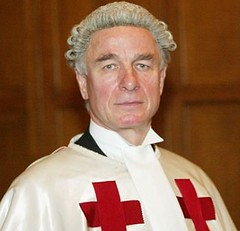
Lord Nimmo SmithCall for inquiry statement on revelations of SPL-Rangers immunity deal. As the Rangers FC saga continues, a leak of a document detailing a questionable immunity deal for TRFCL has drawn the attention of the media. Given the legal issues raised by the documents particularly in relation to the independent’ inquiry chaired by Lord Nimmo Smith, a guest report on the revelations by ‘ecojon’ is today published on Scottish Law Reporter.

It should be noted the leaked documents referred to in the article have been published by a resurrected CharllotteFakes2, who has been the subject of previous reports on Scottish Law Reporter relating to on-going investigations by Police Scotland & the Crown Office. The Twitter account known as @charlotteFakes previously reported as deleted, has also been reinstated.

Guest Report : Rangers given no title-stripping guarantee in secret SPL deal by ecojon :

The darkest dirtiest secret in Scottish Football has now been revealed and it will shake the Beautiful Game to its core as well as the Scottish legal system.

Boiled down and stripped of legalese the shameful guarantee states: 'The SPL hereby undertakes solely and exclusively to Sevco and to no other Person . . . that the SPL shall not . . . take or commence disciplinary proceedings against Sevco . . . in respect of any EBT Payments and Arrangements'.

What is even more incredible is that this deal was struck and distributed with the 5-Way Agreement before Lord Nimmo Smith began his enquiry and before the FTTT announced its verdict on the Rangers tax allegations.

We need clear unequivocal statements by Lord Nimmo Smith and Neil Doncaster and someone, anyone at the SFA who isn't 'conflicted' to reveal the long hidden truth behind the most serious revelation ever to shine daylight on the many dark secrets held in the Hampden bunker.

Many of us have incessantly debated the controversial findings of Lord Nimmo Smith's Inquiry into Rangers' EBTs since its  release in February this year. There was widespread disbelief at the conclusions and many believed it was just another example of how the scales were weighted in favour of Rangers.

Anyone who has followed my posts will know that I have always supported the integrity of LNS and his two learned colleagues in the sense that the woeful preparation and presentation of the SPL case gave the Tribunal little or no room for manoeuvre in reaching its conclusions. And of course there was the ludicrous intervention of the SFA's top man in Player Registration which made the name 'Bryson' synonymous with 'clown' among Scottish Football fans.

On top of that LNS breathed life into the 'continuing club' controversy which has fuelled incessant and often bitter internet debate and indeed sparked the recent vicious attacks on Jim Spence and his family and BBC Scotland - once again - by Rangers fans many of whom openly boast they refuse to buy a TV Licence to support an enemy of Rangers.

For months now we have witnessed an outpouring of information from Charlotte Fakes who has risen above early suspicion that her works were indeed clever fakes to the point that no one disputes their authenticity and, indeed, she has allegedly been reported to the Information Commissioner which is probably the best possible guarantee of the authenticity of the documentation she has provided even though her motives are still unclear.

She recently released what appears to be the final draft of the 5-Way Agreement between Oldco Rangers, Newco Rangers, the SFA, SPL and SFL which had important snippets not present in previous versions including a promise by Rangers and a prominent external newco shareholder not to take legal action the SFA, SPL and SFL and their officers and officials.

This was first alluded to in the Rangers AIM Prospectus in December last year but the reasons for the Rangers undertaking have never been clear although the documentation seemed to suggest that Rangers had been wronged in some way and was holding back on justifiable legal action possibly because it felt blackmailed by the threat of total expulsion from Scottish Football if it didn't agree to the sanctions of the 5-Way Agreement which had originally mooted title-stripping.

One thing that puzzled me when the 5-Way Agreement was revealed was why there had ever been any need by the Scottish Football Authorities to keep it so tightly under wraps. Everything was basically in the open by then in terms of sanctions although there was the curious matter of the no legal action clause.

But yesterday Charlotte Fakes released a brutal hammer blow which will destroy all remnants of tattered credibility in the Hampden suits and, more importantly, cast serious doubt on the integrity of the Scottish legal system which must be urgently dealt with.

So what has Charlotte gone and done? Only release to the world details of the secret and tawdry side deal proposed by the SPL and agreed to by the SFA and SFL to grant immunity to Rangers newco (TRFCL) from any disciplinary action arising out of the use of Rangers EBTs and the failure to annually register the payments involved with the SFA.

This guarantee was made months before the Lord Nimmo Smith Inquiry sat for the first time and even before its Notice of Commission was prepared and it was given even before the FTTT largely ruled in Rangers' favour over its use of the EBTs.

At this stage we don't know if Lord Nimmo Smith and his two colleagues were aware of this incredible secret stitch-up between the signatories of the 5-Way Agreement before they heard any evidence or whether they too were kept in the dark by the Scottish Footballing Authorities who have honed their skills as mushroom farmers for decades by feeding BS to Scottish football fans.

What we not only need but deserve is a clear statement by Lord Nimmo Smith on behalf of his tribunal and its decision  as to whether he knew before any evidence was given that a secret guarantee of immunity had been given to The Rangers Football Club Ltd. If he did know can he explain why he was prepared to proceed on that basis and help create some of the aggro which is tearing apart the fabric of Scottish Football and poisoning Society with strange and alien concepts of a never-ending always continuing football club which defies liquidation of its legal operating entity and repeatedly and eternally rises intact from the ashes as a company with a brand new legal entity but which isn't a Phoenix company.

As to the SFA and SPL/SFL now in the persona of the shiny, brand-new SPFL - unless it too takes no responsibility for the deeds of its deid ancestors - what we need is a straight answer to whether the Charlotte Fakes documentation is bona fide and whether it was signed by Neil Doncaster whose name is on the draft and distributed to the SFA and SFL as stated along with the 5-Way Agreement.

And as for the SMSM isn't it time you actually grew a pair and dealt with the serious allegations raised by the release of the Charlotte Fakes material. Does the public interest count for nothing in Scotland? If you or your editors are frightened of the 'dirty little secrets' an aging and failing PR man in crisis has on you then now is the time to be Spartacus and if you can't manage that at least do a Jim Spence. You don't need to use the documents if you are scared - all you need to do is ask the questions.

If you are told 'No Comment' then publish and be Spartacus and let the public know the truth and make their own judgement on the way Scotland and Scottish Football is run. If you continue to hide behind weak excuses think about moving to PR as that would seem to be your true home and there will be no crisis of conscience as none exists there as far as representing commercial non-ethical clients.

However be assured that if you cower in a dark corner, close your eyes and dream of being a Twitter Warrior then your readers will continue to judge your inability to tell the truth and turn, in ever increasing numbers, to the internet for their news albeit with many imperfections but at least with lots of people trying to prevent the truth being choked by a surfeit of succulent lamb.

And Lord Nimmo Smith as probably your staunchest supporter since your tribunal decision was issued I think I am entitled to ask another question on behalf of the much-respected poster Auldheid who truly has the wisdom of age - as reflected in his moniker - and the energy and perseverance of a young bull elephant when it came to uncovering and revealing the implications of Rangers DOS and the reluctance of all concerned including SMSM to mention it.

I had always thought that this cloak of secrecy was to hide the implications of the Wee Tax Case which should have prevented European entry for Rangers, without the sleight of hand of the Hampden suits. But now I wonder if there was a much darker motive in play as part of the secret immunity for TRFCL.

Quite simply LNS! Were you ever told or given evidence concerning the details of the Rangers Discounted Options Scheme as distinct from their EBT scheme and were you aware of the un-appealed FTTT Decision in the Aberdeen Asset Management(AAM) case concerning DOS schemes which ruled them as illegal under tax laws?

In your tribunal decision you refer to treating the EBT scheme as a continuation of the DOS scheme - cloaked under a suitably confusing name - but did you know that one very senior witness to your enquiry was well aware of the differences and I would find it incredulous that they were unaware of the implications of the AAM FTTT Decision on the Rangers DOS.

And if you weren't apprised of the differences then it's over to Neil Doncaster to explain whether this was another dirty secret and if not how did the SPL fail to discover and present absolutely critical evidence re the Rangers DOS which IMO could well have led Lord Nimmo Smith to stripping titles.

ENDS.

Editor's Note to readers : Guest reports (which must be on a legal theme and conform to acceptable standards) can be considered for publication if sent to Scottish Law Reporter.

Monday, September 09, 2013

Holyrood Petition seeking declaration of judges membership of secret societies to include McBride proposals for scrutiny of jurors interests

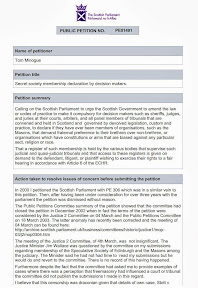
A PETITION to the Scottish Parliament calling on decision makers including judges & tribunal members to declare their membership of all organisations including Freemasonry has today reached over 800 public signatures from Scotland and around the globe including key support from Scots & international legal academics.

Petition PE01491 filed by transparency campaigner Thomas Minogue of Dunfermline, Fife “calls on the Scottish Parliament to urge the Scottish Government to amend the law or codes of practice to make it compulsory for decision makers such as sheriffs, judges, and juries at their courts, arbiters, and all panel members of tribunals that are convened and held in Scotland and governed by devolved legislation, custom and practice, to declare if they have ever been members of organisations, such as the Masons, that demand fraternal preference to their brethren over non-brethren, or organisations which have constitutions or aims that are biased against any particular sect, religion or race.”

However, in a move sure to gather support and ignite further debate, Mr Minogue now plans to include in his petition the proposals put forward by the late Paul McBride QC to require full and substantive declarations by jurors, more details of which can be viewed in an earlier report along with an interview with Paul McBride on the subject, HERE

Speaking to Scottish Law Reporter today, Mr Minogue said : “I am returning to unfinished business and have extended the terms of the petition to include jurors as this group came under scrutiny when Paul McBride QC, criticised the jury in the Neil Lennon assault trial. If that jury was composed predominately of members of the Orange Order they couldn’t have come up with a more bizarre verdict.”

Mr Minogue has campaigned on similar issues in the past, and notably was responsible for bringing “the Spec” (Speculative Society) into the arena of public debate after researching allegations of the group’s influence in the judiciary (over two-thirds of Scots Law Lords were members at that time).

Mr Minogue added in the light of changing attitudes on transparency and a greater need for openness in public life, he believes his current petition carries significant weight and should be considered afresh after an earlier petition on a similar theme was suspiciously dismissed by a previous Scottish Executive even before responses from the then Justice Minister Jim Wallace on judges membership of freemasonry and the Speculative Society of Edinburgh were considered in public by msps.

In relation to the dismissal of the earlier petition, Mr Minogue stated Jim Wallace “said my petition was unique and I was the only person he knew of with concerns in this regard”.

Responding to the ex Justice Minister’s claims some years ago, Mr Minogue commented : “He obviously didn’t know Dr Samuel Johnson said this on the subject: “Where secrecy or mystery begins, vice or roguery is not far off”. Mr Minogue added “This time the numbers supporting the petition show statements such as Mr Wallace’s to be nonsense”

The petition further proposes the publication of declarations by decision makers : “That a register of such membership is held by the various bodies that supervise such judicial and quasi-judicial tribunals and that access to these registers is given on demand to the defendant, litigant, or plaintiff wishing to exercise their rights to a fair hearing in accordance with Article 6 of the ECHR.”

As of today, there are 51 days left for the public to sign the petition on the Scottish Parliament’s website here : Petition PE01491

Sunday, September 08, 2013

Police Scotland to investigate itself as Prosecutors reveal allegations PR team’s ex-cops may have asked serving colleagues for leaks on HMRC investigations

crown office

AMID an on-going investigation by Police Scotland into leaks of private emails, documents & sound recordings relating to Rangers football club and the saga which ultimately led to the club’s demise into insolvency, it has now emerged from sources at Scotland’s Crown Office & Procurator Fiscal Service (COPFS) that retired & currently serving Police officers may be implicated in the burgeoning scandal. According to prosecutors, the revelations if true, may make it difficult for Police Scotland to impartially investigate the affair.

Yesterday (Saturday), sources within the Crown Office identified allegations contained in material now in the possession of prosecutors which refer to possible discussions between former Police Officers employed by a media firm connected to Rangers FC and serving Police officers in what would have been Strathclyde Police under the command of Chief Constable Stephen House.

Quotes from documents in the hands of prosecutors appear to indicate  suggestions of discussions between “internal security people” and “still serving colleagues” with a view to obtaining details of operations & investigations being conducted by HMRC officials regarding the football club’s tax affairs.

Prosecutors now appear to be convinced such conversations and possibly meetings between ex Police Officers & serving Police Officers took place.

In an unannounced move, a senior Crown Office prosecutor has now been appointed to look at whether persons identified in the leaked documents may be charged with criminal offences over revelations that photographs & personal details of HMRC staff and civil servants may have been obtained and published online in an effort to derail investigations on the Rangers tax case in 2011.

Prosecutors are also looking into whether the information identifying HMRC personnel may have been provided by serving Police Officers to former colleagues and those with an interest in defending the football club from the tax investigations.

Meanwhile the Twitter account known as Charlotte Fakeovers (@charlotteFakes) at the heart of the investigation has been deleted and is no longer available. A number of documents published by the twitter account have also been withdrawn from circulation.

No one from the Crown Office or Police Scotland was available to give official comment on the current state of the investigation.

Friday, September 06, 2013

Son of Scotland’s Solicitor General pleads guilty to drink driving & no insurance, receives 6 penalty points, banned for 18 months

Lesley-Thomson-1956011Son of Solicitor General Lesley Thomson convicted, banned on drink driving. ANDREW THOMSON (26), the son of Lesley Thomson, Scotland’s Solicitor General, has been convicted  of criminal offences after pleading guilty to driving while under the influence of more than twice the legal limit of alcohol, when he smashed into the tent at a roadside on Islay. Mr Thomson also had no insurance.

Thomson, whose mother is Lesley Thomson, Lord Advocate Frank Mulholland’s deputy, admitted driving a car dangerously, without insurance and mounting a grass verge into the side of a marquee. He also pleaded guilty to driving with 83 microgrammes of alcohol in his breath - the limit is 35mcg - near Port Ellen on June 7. Thomson, of Glasgow, was on Islay to take part in the Eat Sand rugby tournament with Melrose Rugby Club, but was arrested the night before it began.

The 26-year-old son of Solicitor General Lesley Thomson was fined £1100 and given an 18-month driving ban at Oban Sheriff Court and Sheriff Douglas Small told him: “You were clearly a danger to yourself and others around you.”

Daily Record:

LAW CHIEF’S BOOZE RAP SON IS BANNED

Daily Record Date 25/07/2013

THE son of one of Scotland’s top law officials has been banned from the roads after driving into a marquee at an island rugby bash.

Andrew Thomson was more than twice the legal limit and had no insurance when he smashed into the tent at a roadside on Islay.

The 26-year-old son of Solicitor General Lesley Thomson was fined £1100 and given an 18-month driving ban at Oban Sheriff Court yesterday. The part-time barman, of Govan, Glasgow, had travelled to Islay to take part in a tournament with Melrose Rugby Club in June but was arrested the night before it began.

Thomson admitted the driving offences and Sheriff Douglas Small told him: “You were clearly a danger to yourself and others around you.”

His mother was appointed Solicitor General, the country’s second highest prosecutor’s office, in 2011.

Daily Mail:

Son of Solicitor General banned for drink-driving

Daily Mail Date 25/07/2013

THE son of Scotland’s Solicitor General drove into a marquee while more than double the drink-driving limit.

Andrew Thomson was yesterday banned from driving for 18 months and fined after the incident on the Inner Hebridean island of Islay.

Thomson, whose mother is Lesley Thomson, Lord Advocate Frank Mulholland’s deputy, admitted driving a car dangerously, without insurance and mounting a grass verge into the side of a marquee.

He also pleaded guilty to driving with 83 microgrammes of alcohol in his breath - the limit is 35mcg - near Port Ellen on June 7. Thomson, of Glasgow, was on Islay to take part in the Eat Sand rugby tournament with Melrose Rugby Club, but was arrested the night before it began.

Procurator fiscal John Service told Oban Sheriff Court that Thomson, 26, was spotted driving north from Port Ellen on the A846 in a car which was not his. After going a short distance he turned and headed back to the town.

Mr Service said: ‘He started to lose control of the car, as a result of which it mounted the kerb then the grass verge. The car went towards a marquee which had been erected at the side of the road and the accused drove the car through the side edge of it, collided with a barrel and some tables which were at the side of the marquee.’ The front and rear offside tyres were damaged but Thomson drove the car to the White Hart Hotel in Port Ellen where he abandoned it.

Police arrested him at the hotel. He later told them: ‘I was only in charge of the car for 20 seconds. This was stupidity.’ Defence agent Brian Fitzpatrick said Thomson’s decision to drive was ‘impulsive and spontaneous’ and the car was owned by someone involved with the marquee.

Mr Fitzpatrick added: ‘He has compensated the person whose car it was. The driving was very brief and he has already had some consequence from this piece of stupidity.’ Sheriff Douglas Small said: ‘I can’t ignore the fact that you were over two times the limit. You were clearly a danger to yourself and others around you.’ Thomson, who works part-time in a bar, was fined £1,100.

Before her appointment as Solicitor General for Scotland, Mrs Thomson was the Area Procurator Fiscal for Glasgow and Strathkelvin.

She has 25 years’ experience as a prosecutor, having been a district and an area procurator fiscal in Selkirk, Edinburgh and the Lothians.

Asked about the case last night, a Crown Office spokesman said: ‘Andrew Thomson pled guilty to contraventions of sections 2, 5 and 143 of the Road Traffic Act 1988 today at Oban Sheriff Court.

‘The sheriff imposed a £1,100 fine, an 18-month driving ban with the requirement to re-sit his driving test, and his licence was endorsed with six penalty points.’

The earlier report of the arrest:

Sunday Mail:

Son of Scotland's Solicitor General arrested following car crash at an island rugby tournament

16 Jun 2013 08:36

ANDREW Thomson, 26, whose mother is the Solicitor General Lesley Thomson, faces motoring charges after a car drove into a marquee on Islay.

THE son of Scotland's Solicitor General Lesley Thomson has been arrested following a car crash at a beach rugby tournament.

No one was hurt when the car careered into a marquee on the Hebridean island of Islay.

Andrew Thomson, 26, a former Glasgow University student, was held in police cells overnight but left the island the following day. He is thought to have taken the car before driving off and faces a number of motoring charges.

Thomson, a keen amateur player, had been due to take part in Islay's Eat Sand rugby contest last week but was arrested before taking part.

He had travelled to the event with Melrose Rugby Club where his mother -now No2 at the Crown Office -was a committee member.

John Reed, club president, said last night: I am aware there was an incident and that people from Melrose weren't happy about it."

A Police Scotland spokesman said: "We can confirm a 26-year-old man was arrested in connection with alleged road traffic offences. A report has been submitted to the procurator fiscal.・